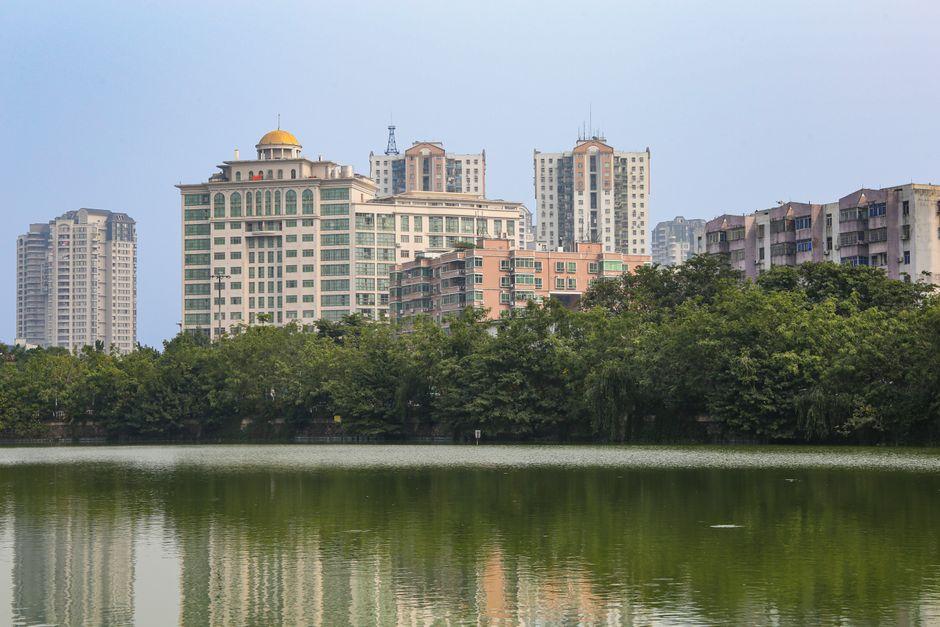
Anhui
Hefei Travel Guide: Anhui's Capital & Gateway to Huangshan
Hefei is the capital of Anhui Province and the perfect base for exploring Huangshan, one of China's most iconic mountains.
1-2d¥200-350Spring
Complete independent travel guides. Pick a city for a step-by-step planning guide.
Advertisement
Hefei is the capital of Anhui Province and the perfect base for exploring Huangshan, one of China's most iconic mountains.
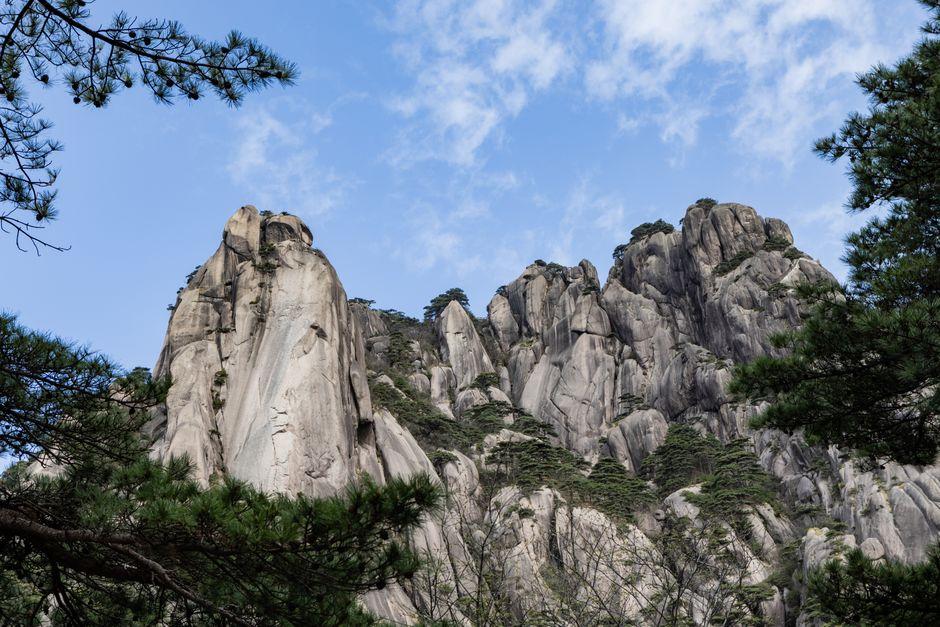
Huangshan is the most beautiful mountain in China — a landscape of gnarled pine trees, jagged granite peaks, and a sea of clouds that has inspired Chinese painting for a thousand years.
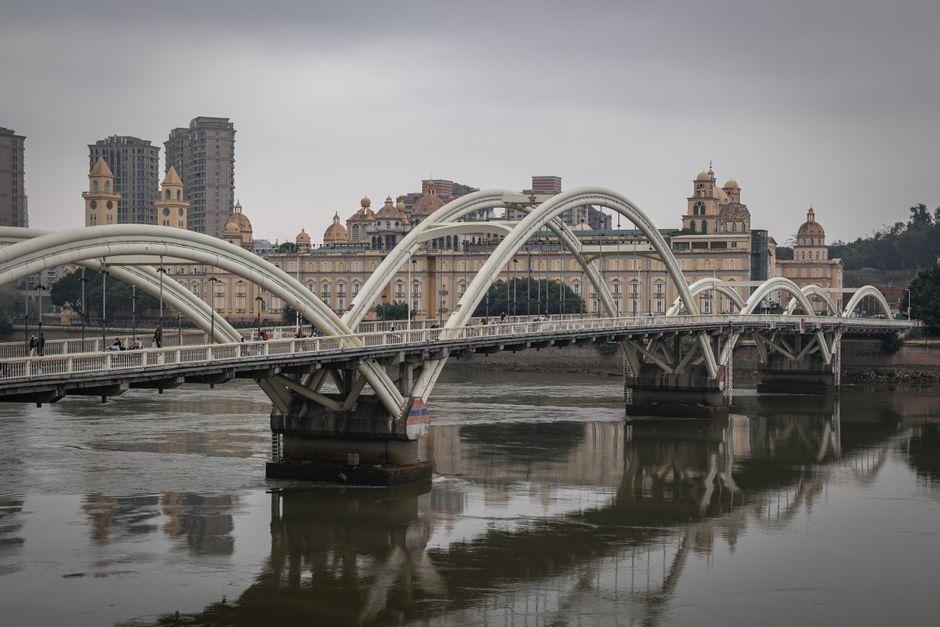
Fuzhou is the Banyan City — a subtropical capital where ancient lanes meet hot springs, and Fujian cuisine ranks among China's finest.
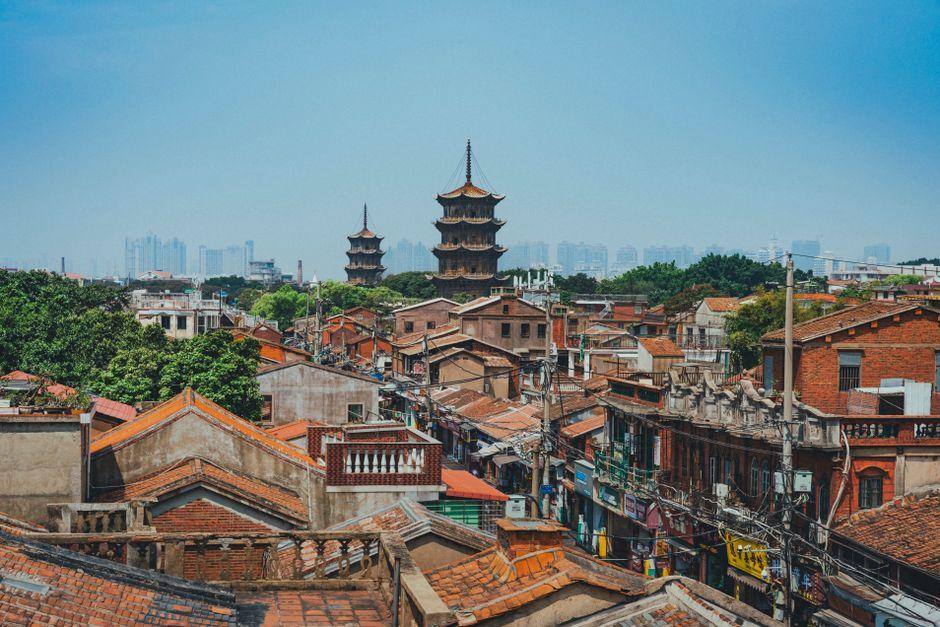
Quanzhou was the world's largest port in the Song Dynasty - now a UNESCO site where Buddhist temples, Islamic mosques, and Hindu shrines stand side by side.
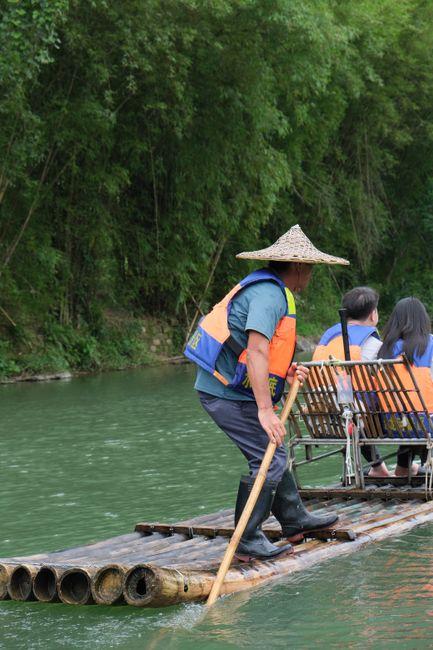
Wuyishan is where China's most famous tea grows - dramatic karst peaks, bamboo raft rides, and the birthplace of Da Hong Pao.
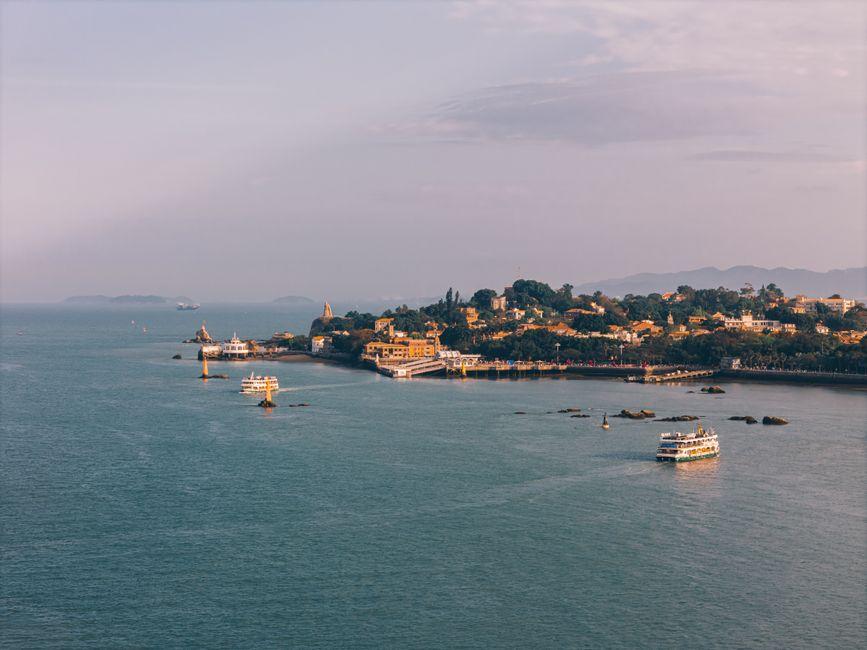
Xiamen is China's most liveable coastal city — a place where colonial architecture, Minnan temple culture, and a laid-back island vibe coexist without the chaos of bigger cities.
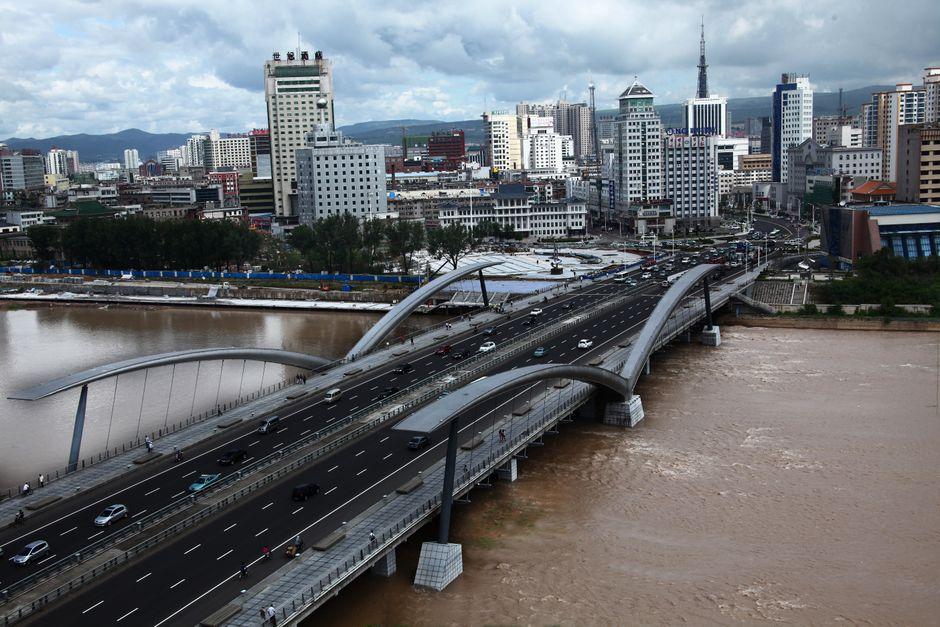
Lanzhou is where the Yellow River flows through a city and every morning starts with hand-pulled beef noodles.
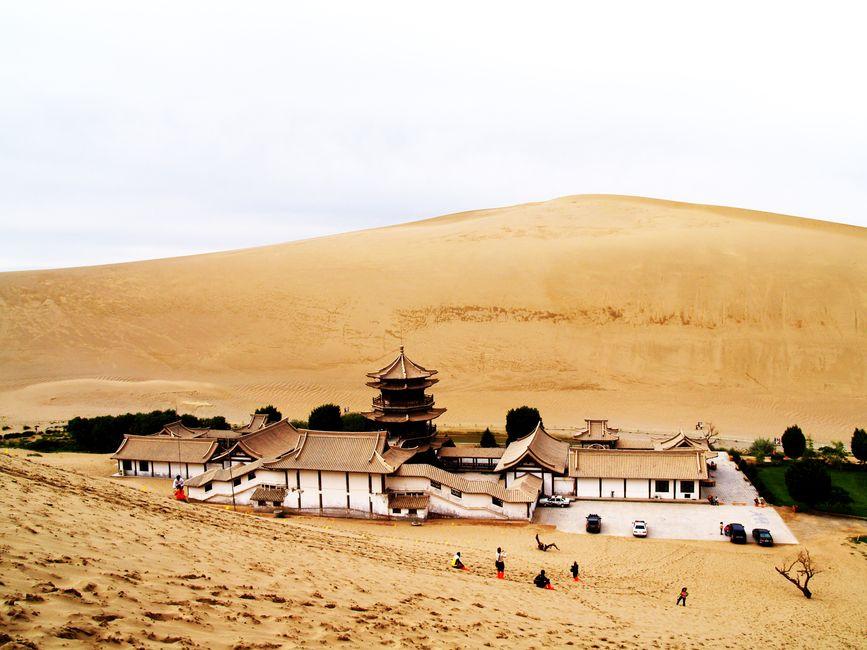
Dunhuang is where the Silk Road meets the desert — home to the Mogao Caves with 2,000 years of Buddhist art, and the singing sand dunes of Mingsha Mountain.
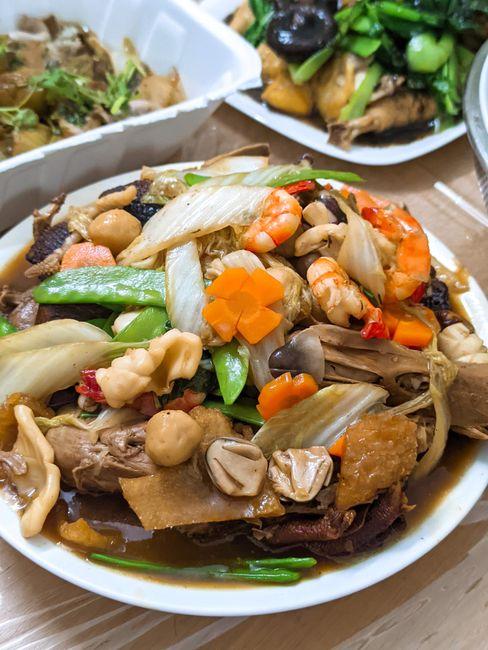
Chaoshan is China's best-kept food secret — a region where Teochew cuisine, kung fu tea ceremonies, and 1,600-year-old ancient towns exist without the tourist crowds.
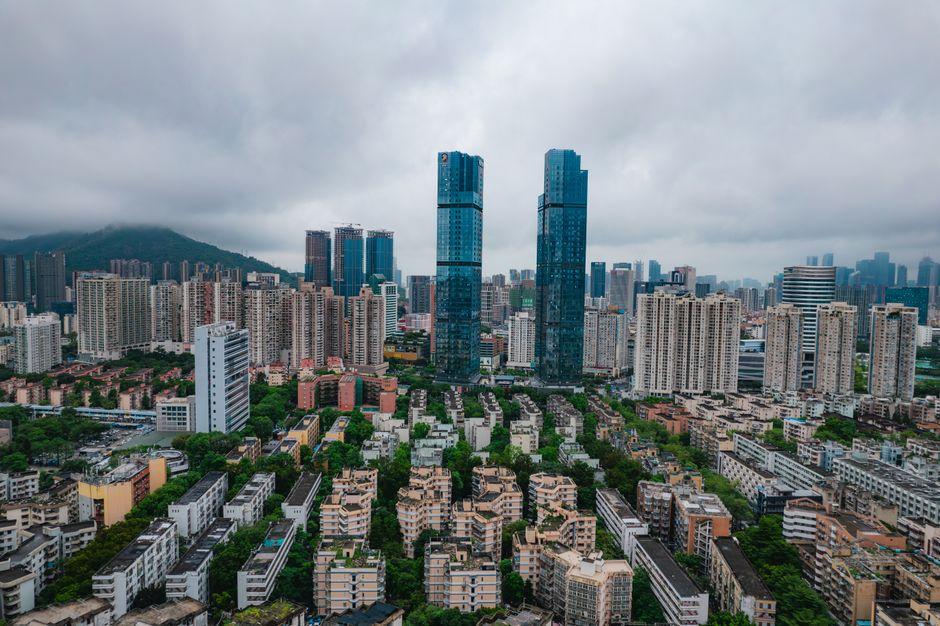
Shenzhen is China's city of the future — a tech powerhouse that rose from a fishing village in 40 years, now home to world-class theme parks, a vibrant creative scene, and stunning coastal walks.
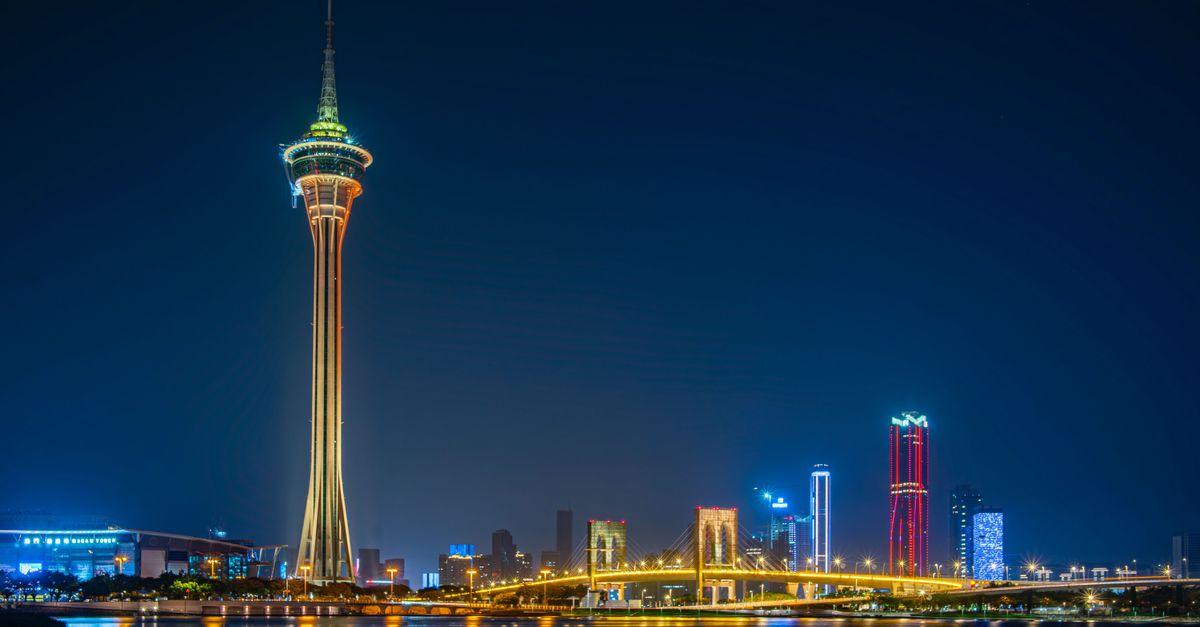
Zhuhai is China's cleanest, calmest planned city — a palm-lined seafront you can actually breathe in, with the easiest border crossing to Macau on the planet. Come for the coast, the seafood and the theme park.
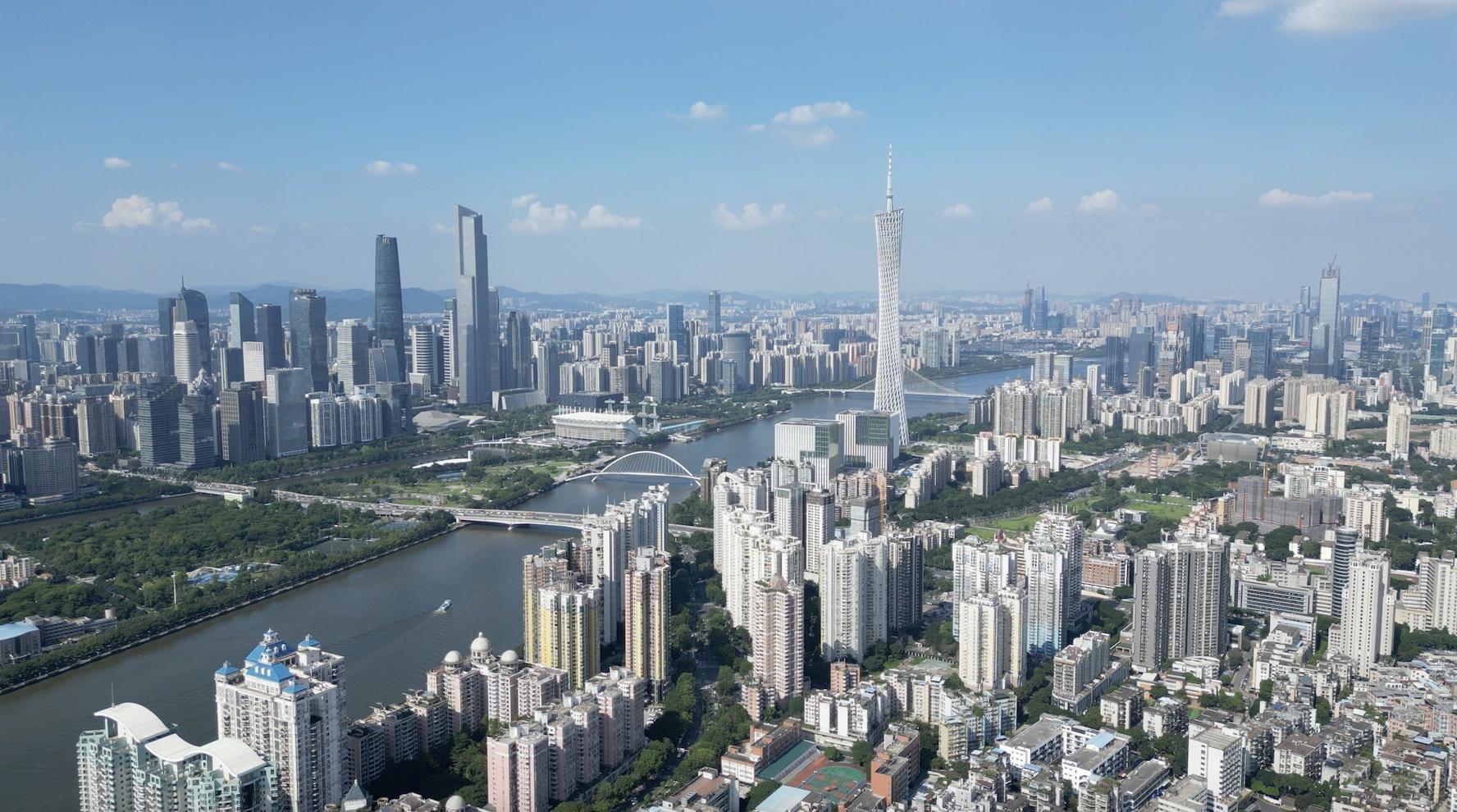
Guangzhou is China's most underrated big city — 2,200 years of trade history, the best dim sum on earth, and almost no tour groups. Pick the pieces that fit your trip.
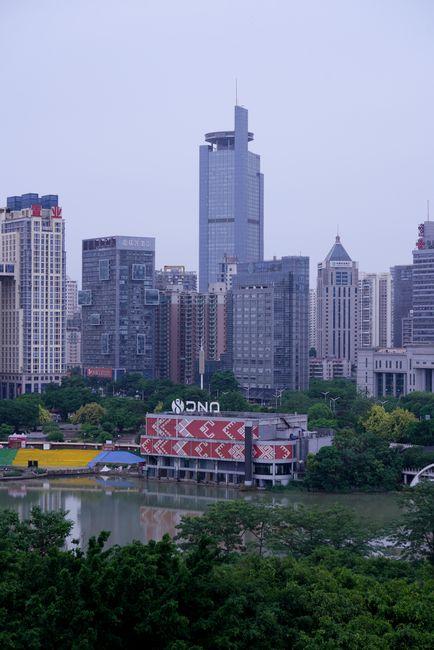
Nanning is the Green City — a subtropical capital with lush parks, the mighty Yongjiang River, and a food scene that rivals anywhere in southern China.
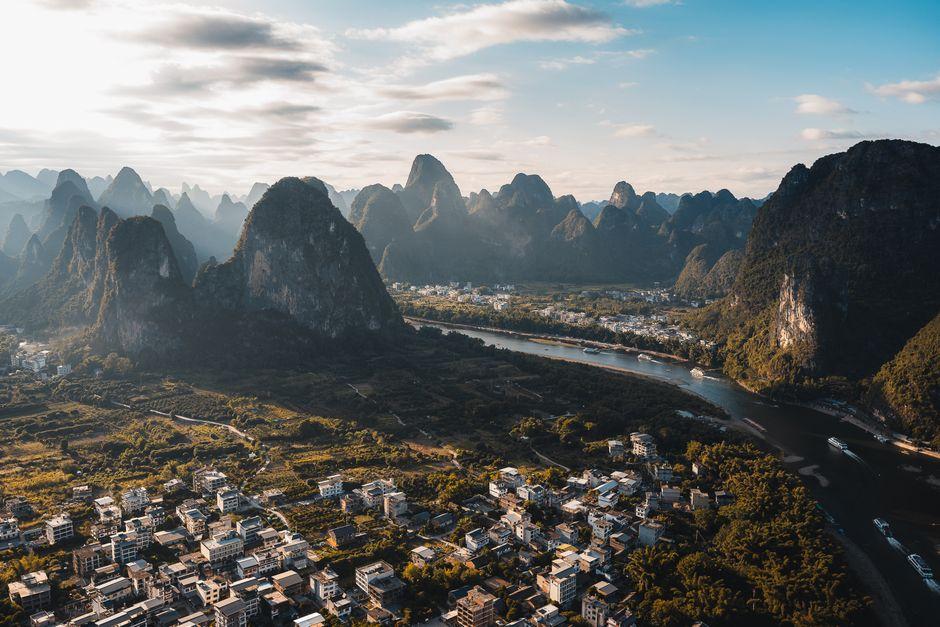
Yangshuo is where the Li River meets dramatic karst peaks - the most photogenic landscape in China and a backpacker paradise.
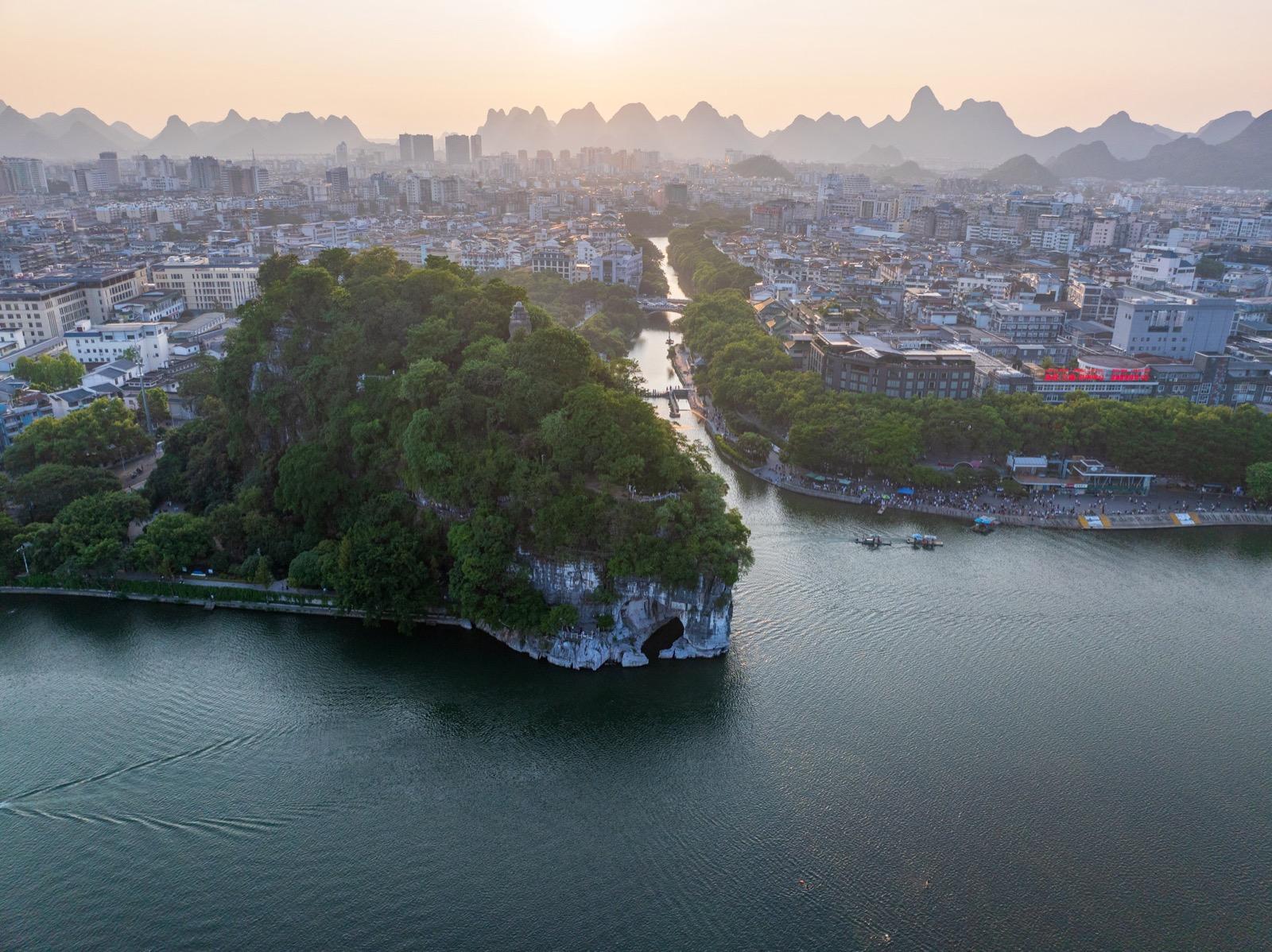
The karst peaks along the Li River are what you see on the ¥20 bill — and they are even better in person.
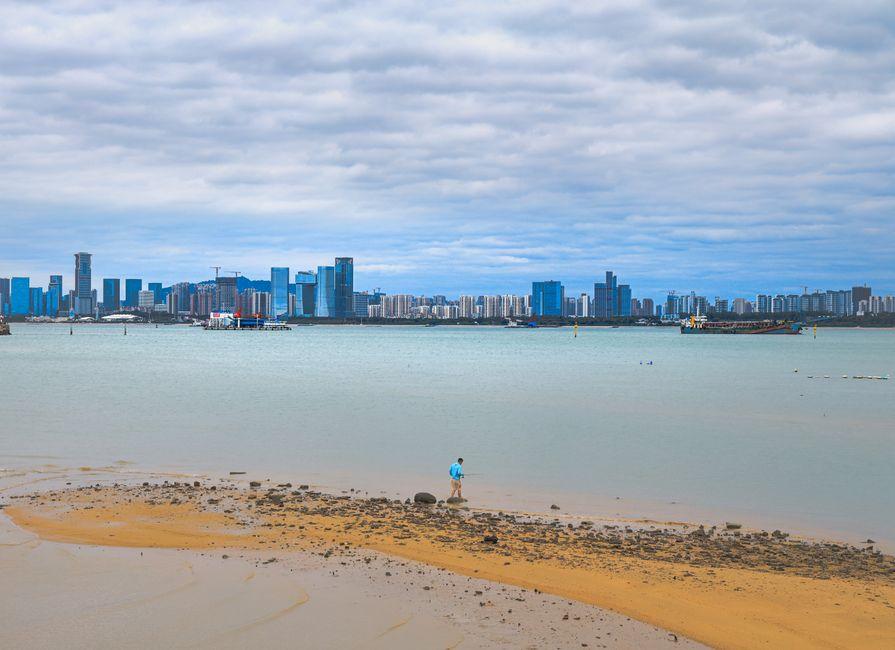
Haikou is the tropical capital of Hainan - where old Chinese arcade architecture meets volcanic landscapes and year-round summer.
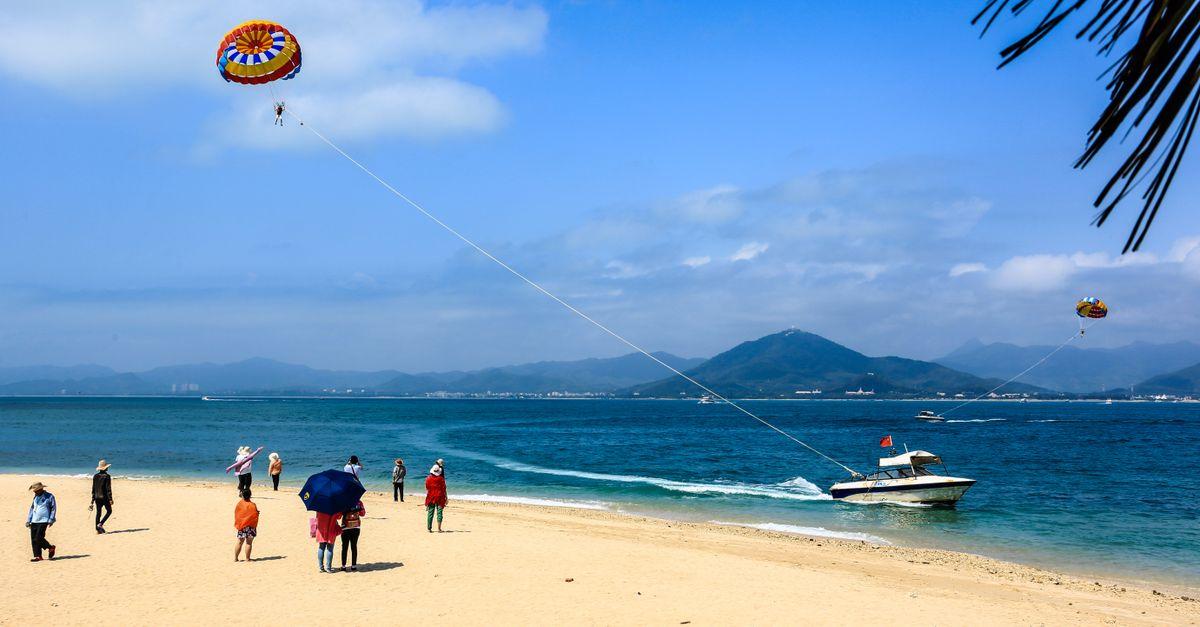
Warm water in January, visa-free entry for dozens of nationalities, and seafood you pick yourself from the tank — Sanya is the beach holiday China does best.
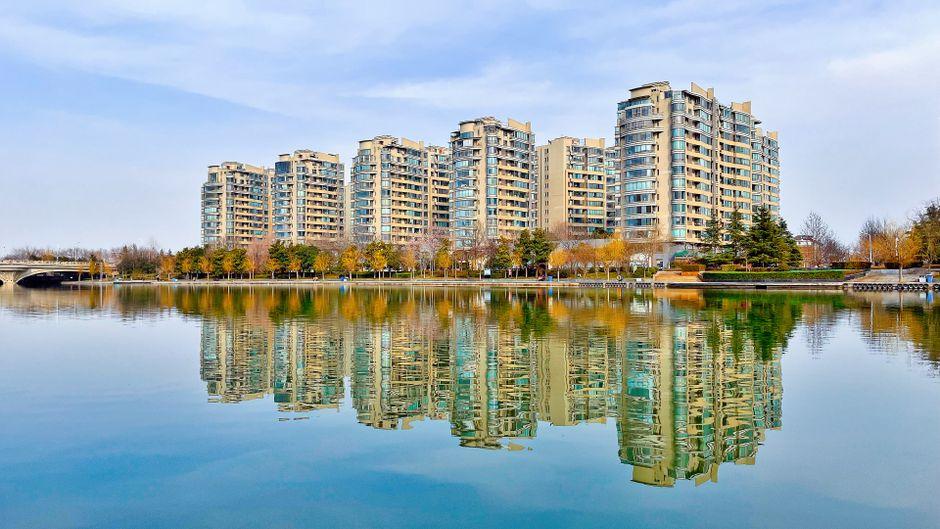
Zhengzhou is the heart of Chinese civilization — where the Yellow River nourished the first dynasties and where kung fu was born at Shaolin Temple.
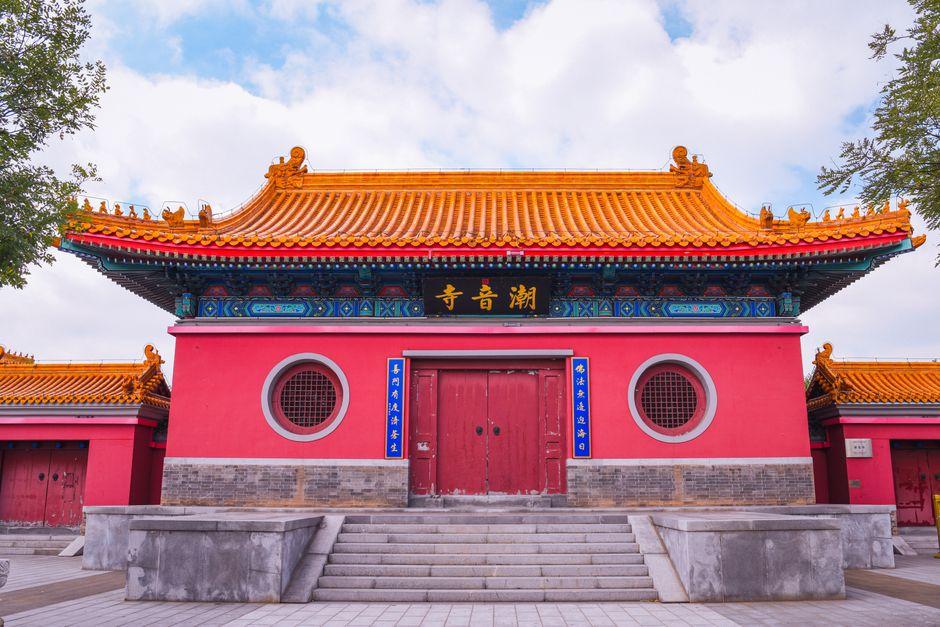
Kaifeng is where the Song Dynasty comes alive — a city where you can walk through a recreated Song Dynasty town, watch the Dragon Pavilion light up at night, and taste the legendary Kaifeng soup.
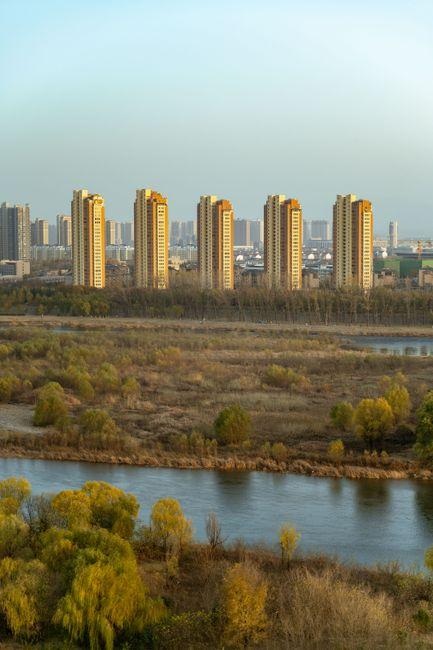
Luoyang is one of China's Four Great Ancient Capitals — a city where 5,000 years of history meet the annual Peony Festival, and the Longmen Grottoes hold 100,000 Buddhist statues.
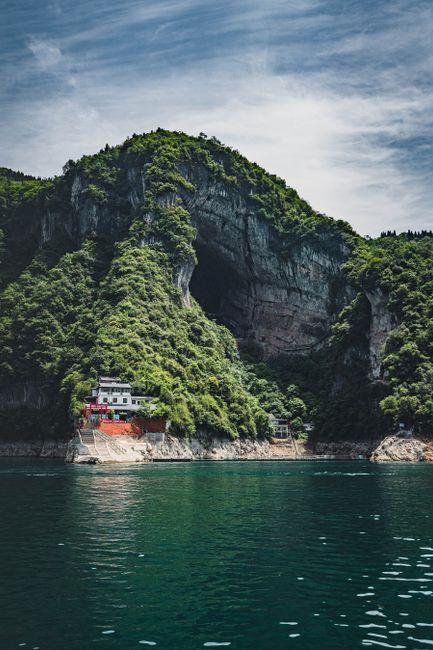
Yichang is the gateway to the Three Gorges - where the world's largest dam meets dramatic river canyons and traditional fishing villages.
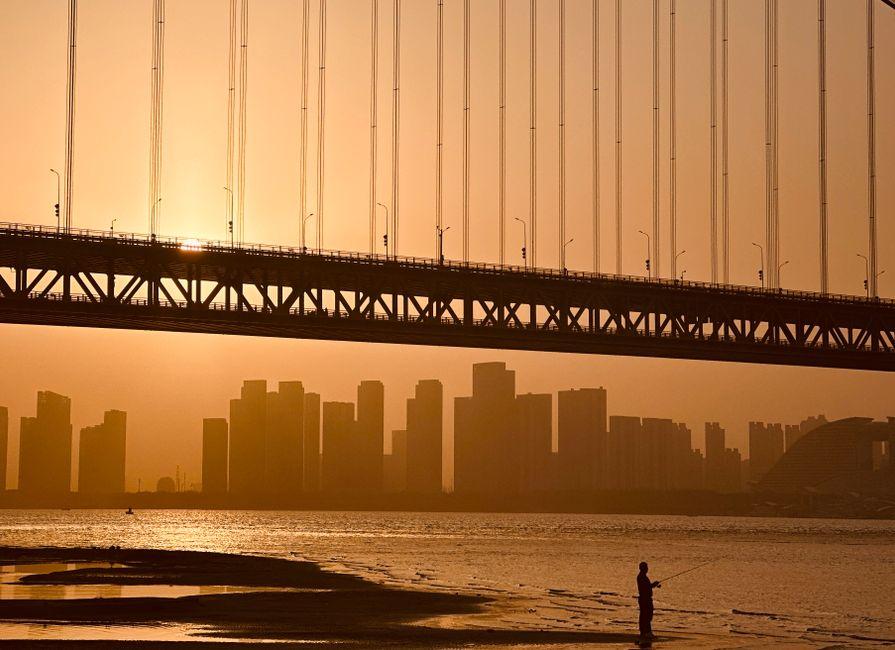
Wuhan is the heart of China — a city of three towns divided by the Yangtze River, where the iconic Yellow Crane Tower watches over steaming bowls of hot dry noodles and cherry blossoms in spring.
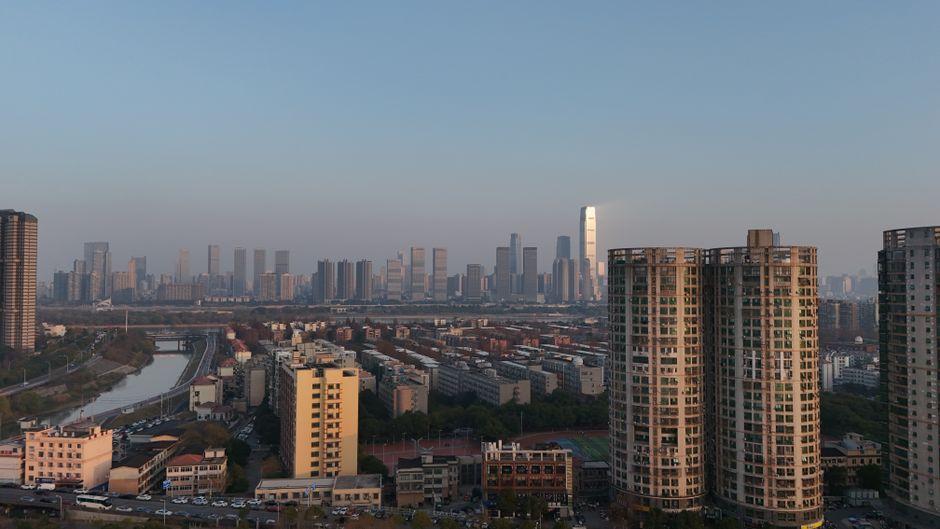
Changsha is China's food capital — a city where the streets smell of chili oil and stinky tofu, where Yuelu Mountain overlooks the Xiang River, and where Mao Zedong's youthful ambitions still echo.
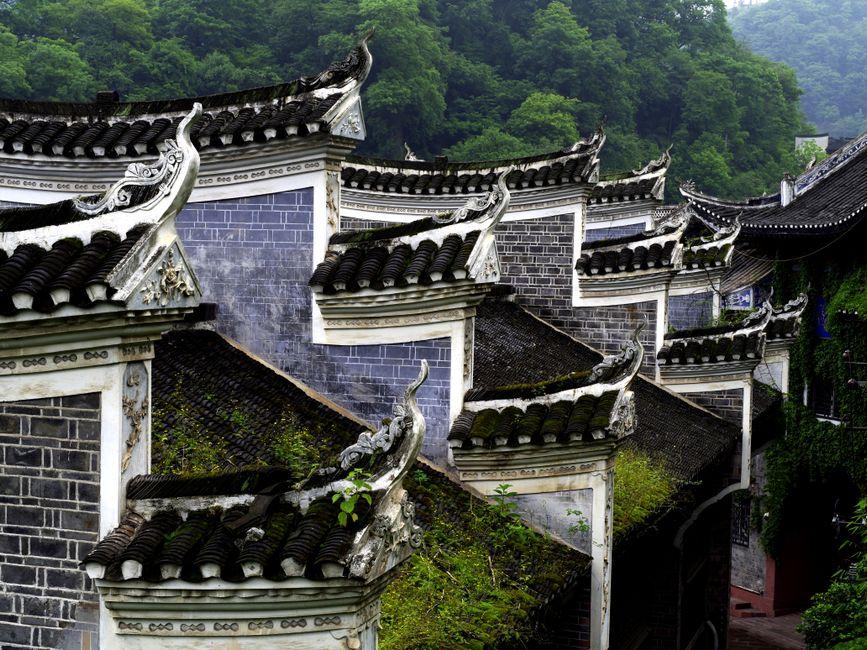
Fenghuang is a misty riverside town where Miao and Tujia minorities live in stilted houses above the Tuo River — the town that inspired Shen Congwen's literary masterpiece.
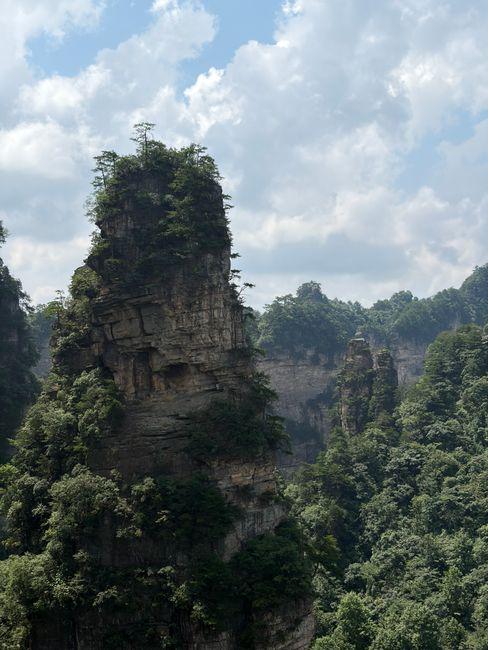
Zhangjiajie is where Avatar meets reality — towering sandstone pillars that inspired the movie, the world's highest glass bridge, and a national park that defies imagination.
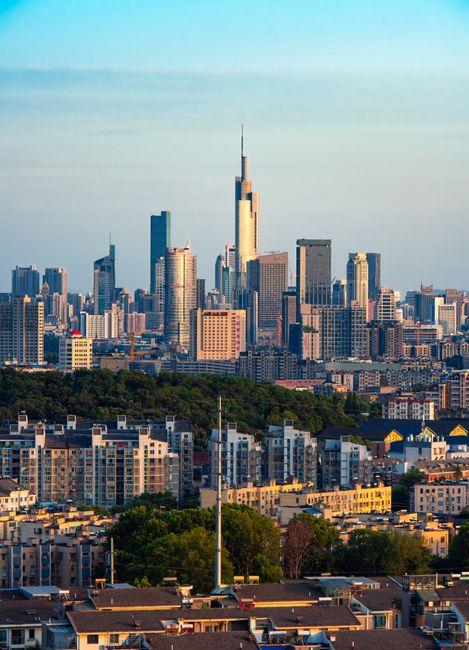
Nanjing is China's ancient southern capital — a city where Ming Dynasty walls, the solemn Sun Yat-sen Mausoleum, and the bustling Confucius Temple district tell the story of 2,500 years of Chinese history.
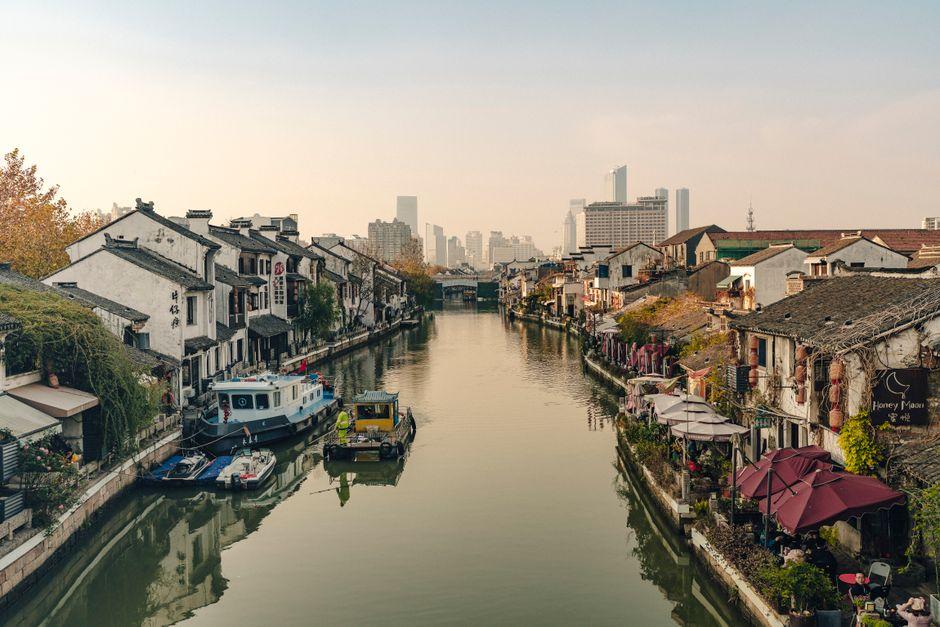
Suzhou is the Venice of China — a city of classical gardens, ancient canals, and silk factories where the refined Jiangnan culture has flourished for over 2,000 years.
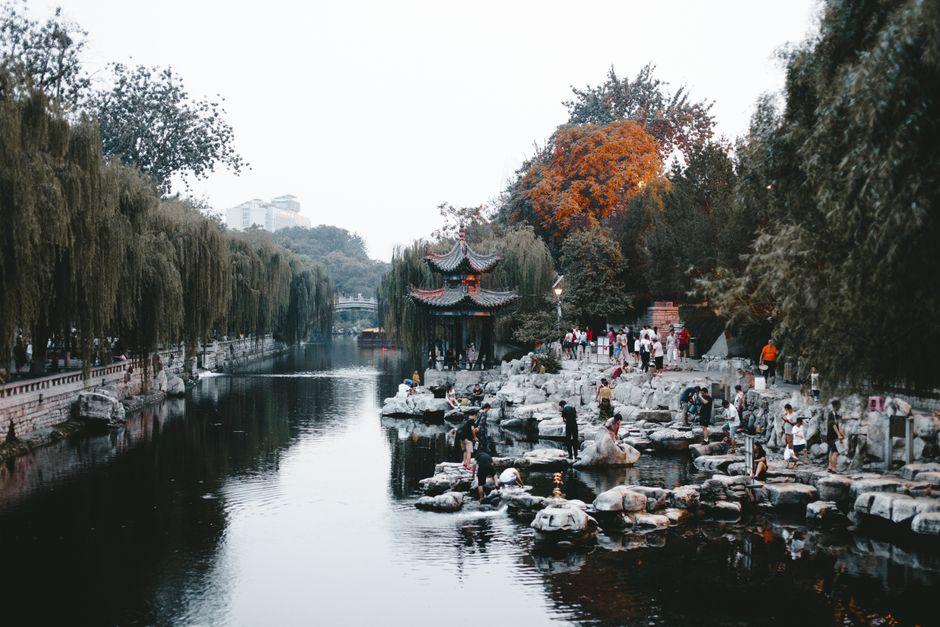
Jinan is the City of Springs — 72 natural artesian springs bubble through the heart of this Shandong capital, feeding lakes and parks across the city.
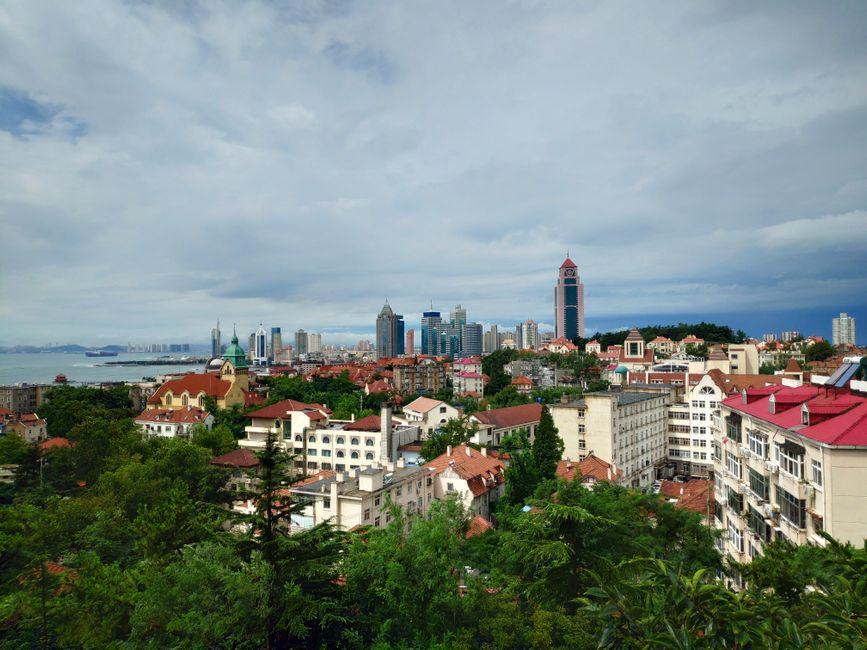
Qingdao is China's Beer City — a coastal gem where German colonial architecture meets golden beaches, world-famous Tsingtao Beer flows freely, and every summer the International Beer Festival draws revelers from around the globe.
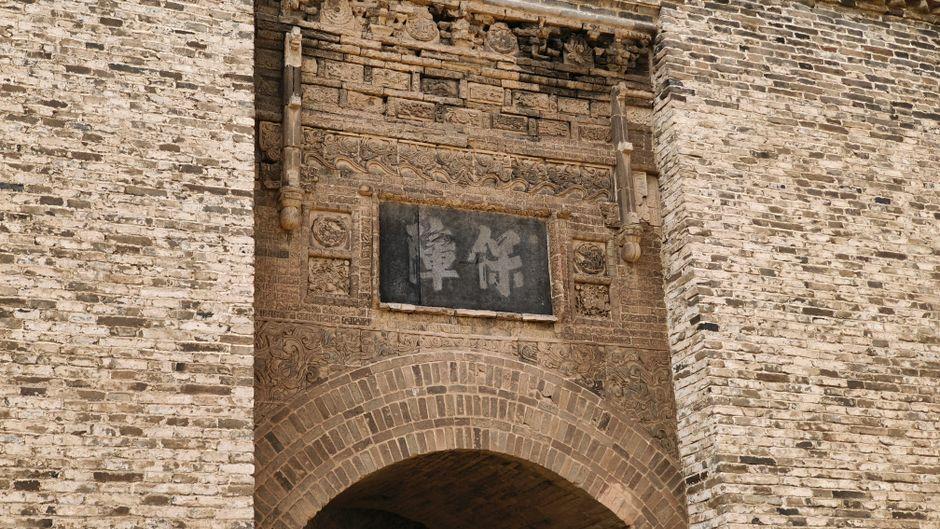
Datong is where China's Buddhist art history comes alive - world-class stone grottoes, a temple hanging from a cliff, and an ancient city wall.
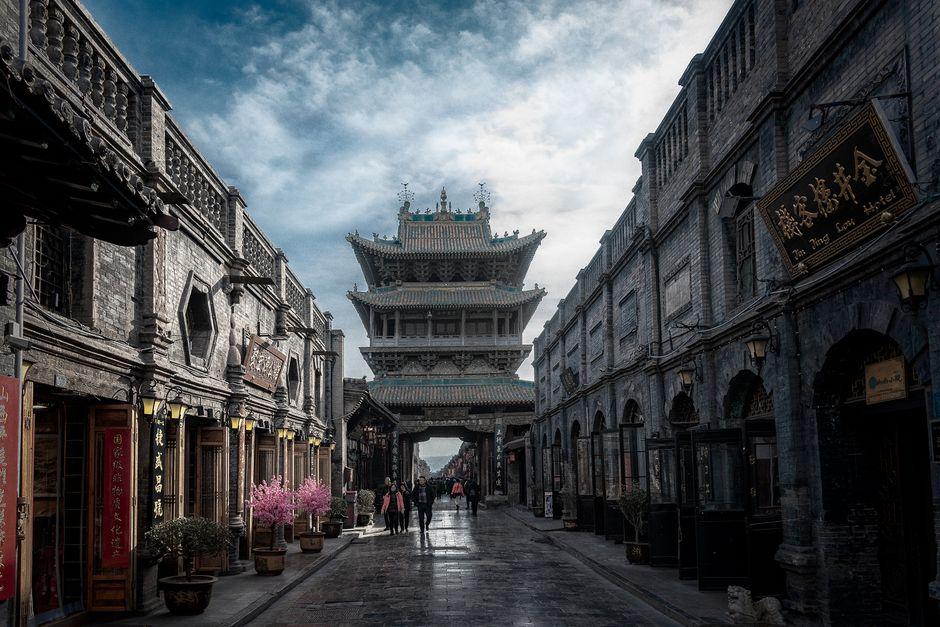
Pingyao is a perfectly preserved Ming Dynasty city — 6,000 residents still live within the 7km walls, and the ancient streets tell the story of China's greatest merchants.
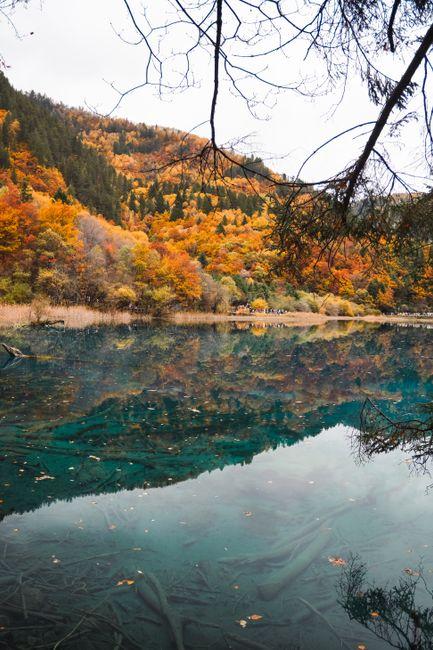
Jiuzhaigou is a fairyland of turquoise lakes, cascading waterfalls, and snow-capped peaks - one of China's most photographed landscapes.
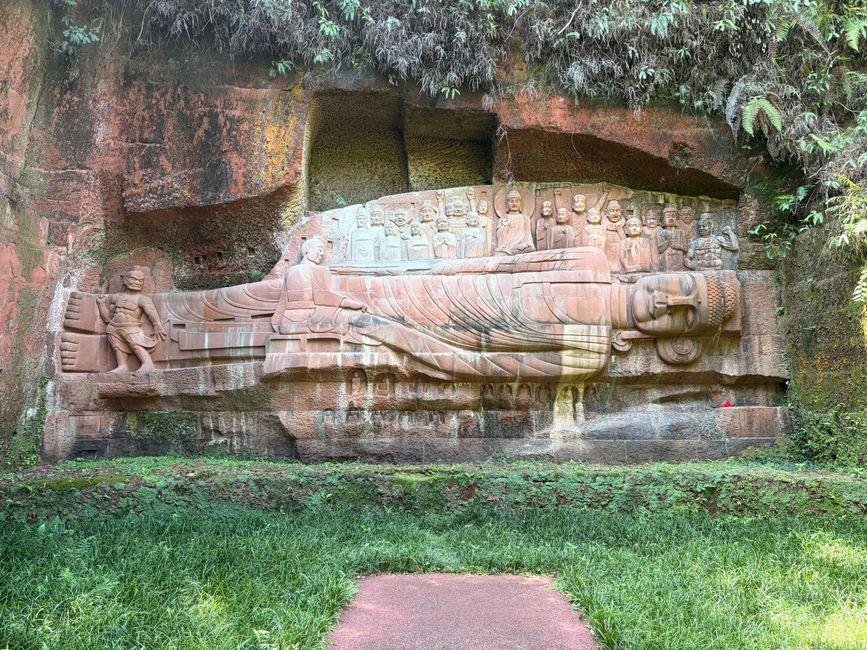
Leshan is home to the world's largest stone Buddha - a 71-meter carving watching over the confluence of three rivers.
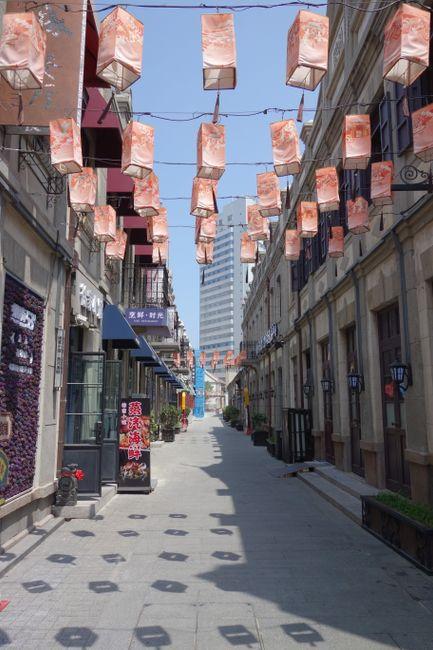
Zigong is the Salt Capital of Sichuan - famous for its spectacular Lantern Festival, ancient salt wells, and surprising dinosaur discoveries.
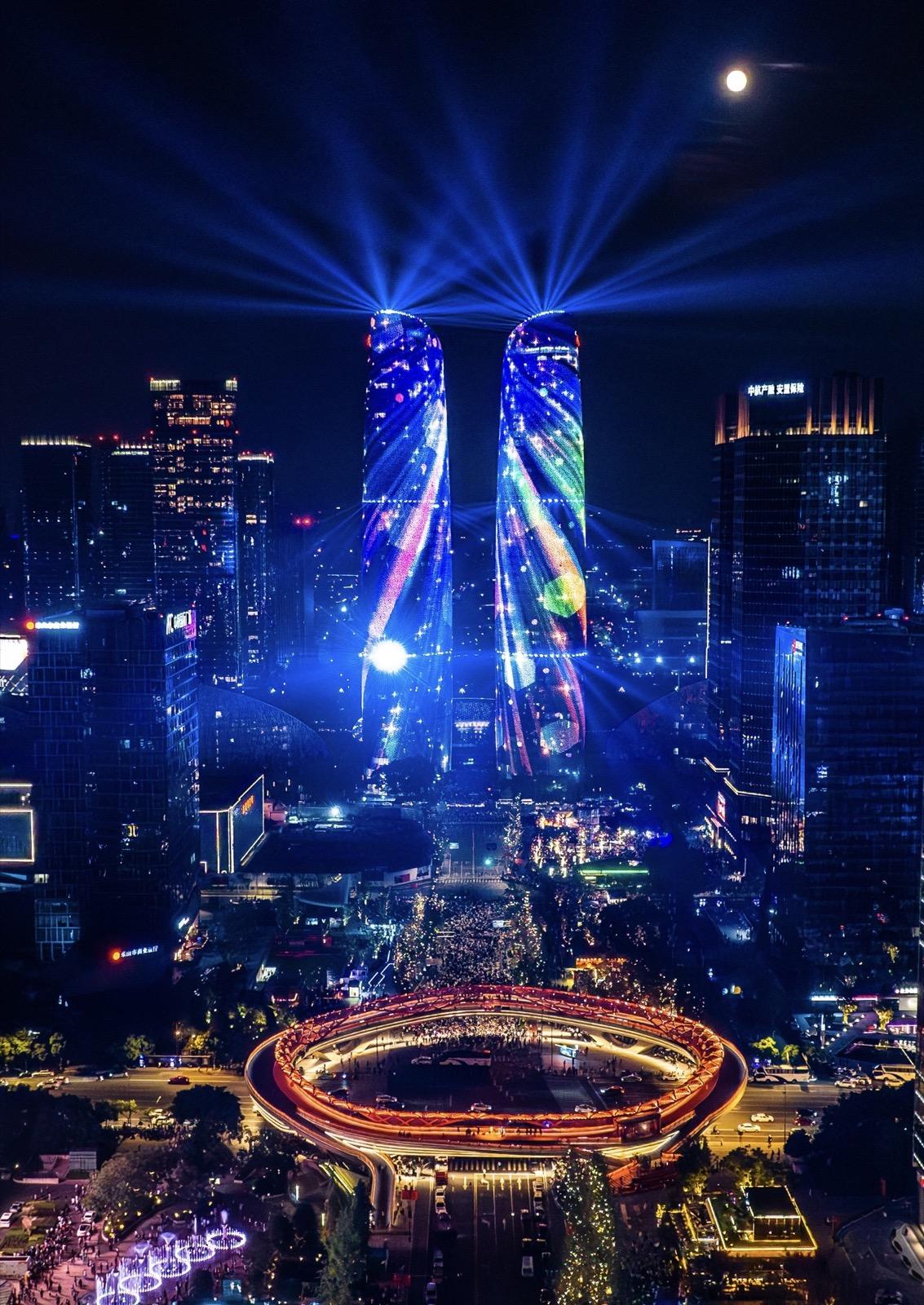
Chengdu is the rare Chinese megacity that refuses to rush. Pandas, mala hot pot and bamboo-chair teahouses, all reachable on a cheap, immaculate metro.
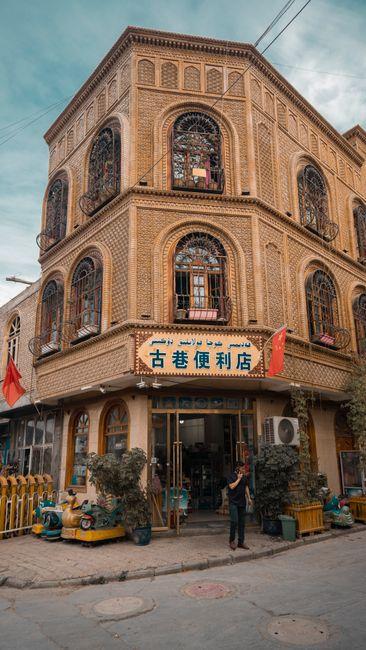
Kashgar is where the Silk Road's northern and southern routes converge — a city where Uyghur culture, Islamic architecture, and Central Asian bazaar life have survived for 2,000 years.
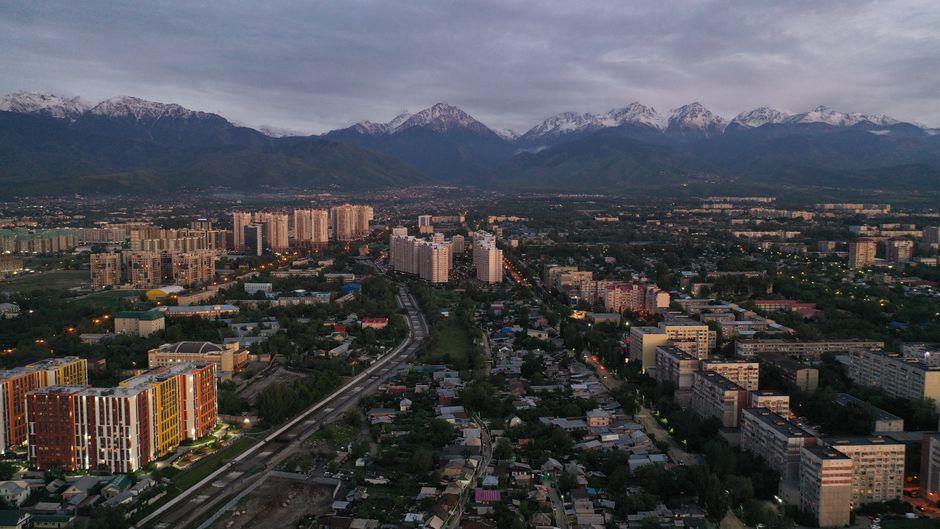
Urumqi is where China ends and Central Asia begins — a city where Uyghur culture, Silk Road history, and Tianshan mountain scenery collide in ways you won't find anywhere else in China.
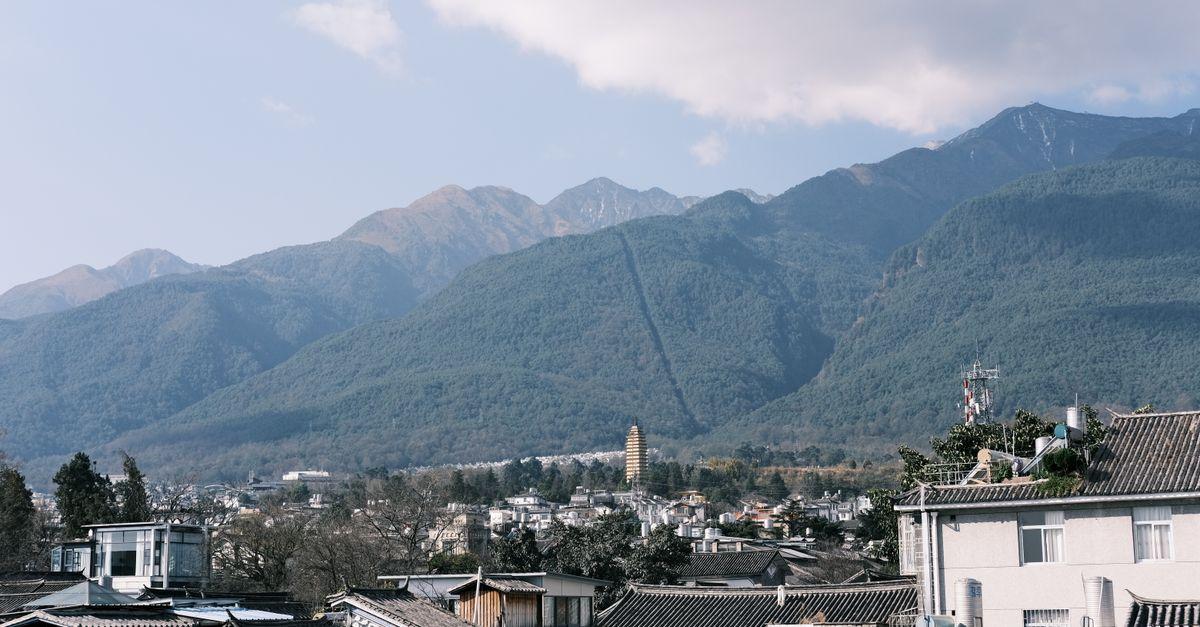
Dali (大理, Dàlǐ) is Yunnan's answer to the question every traveler eventually asks themselves: what if I just stayed here a little longer?
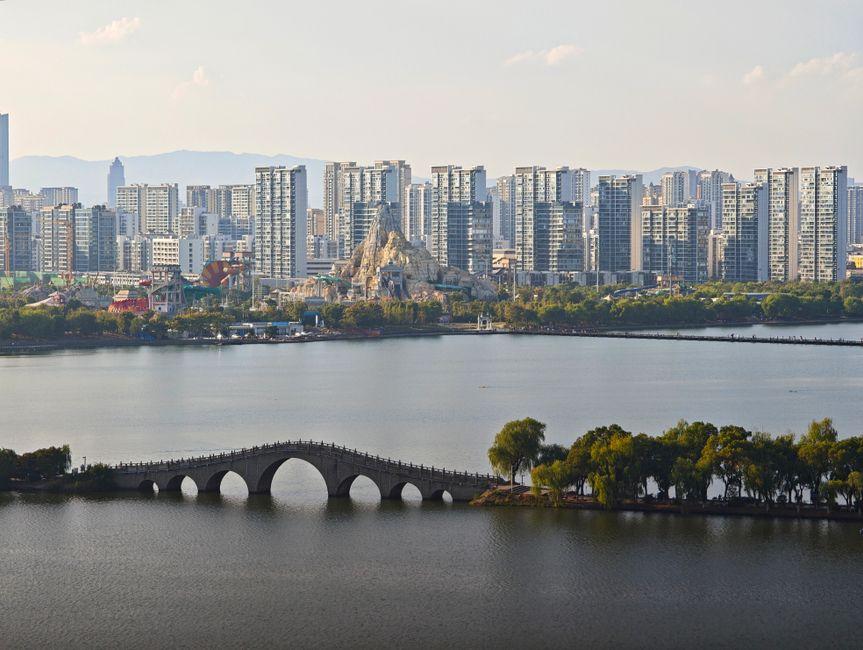
Kunming is China's Spring City — a place where flowers bloom year-round, the Stone Forest rises from the earth like a frozen ocean, and Yunnan's diverse ethnic cultures converge.
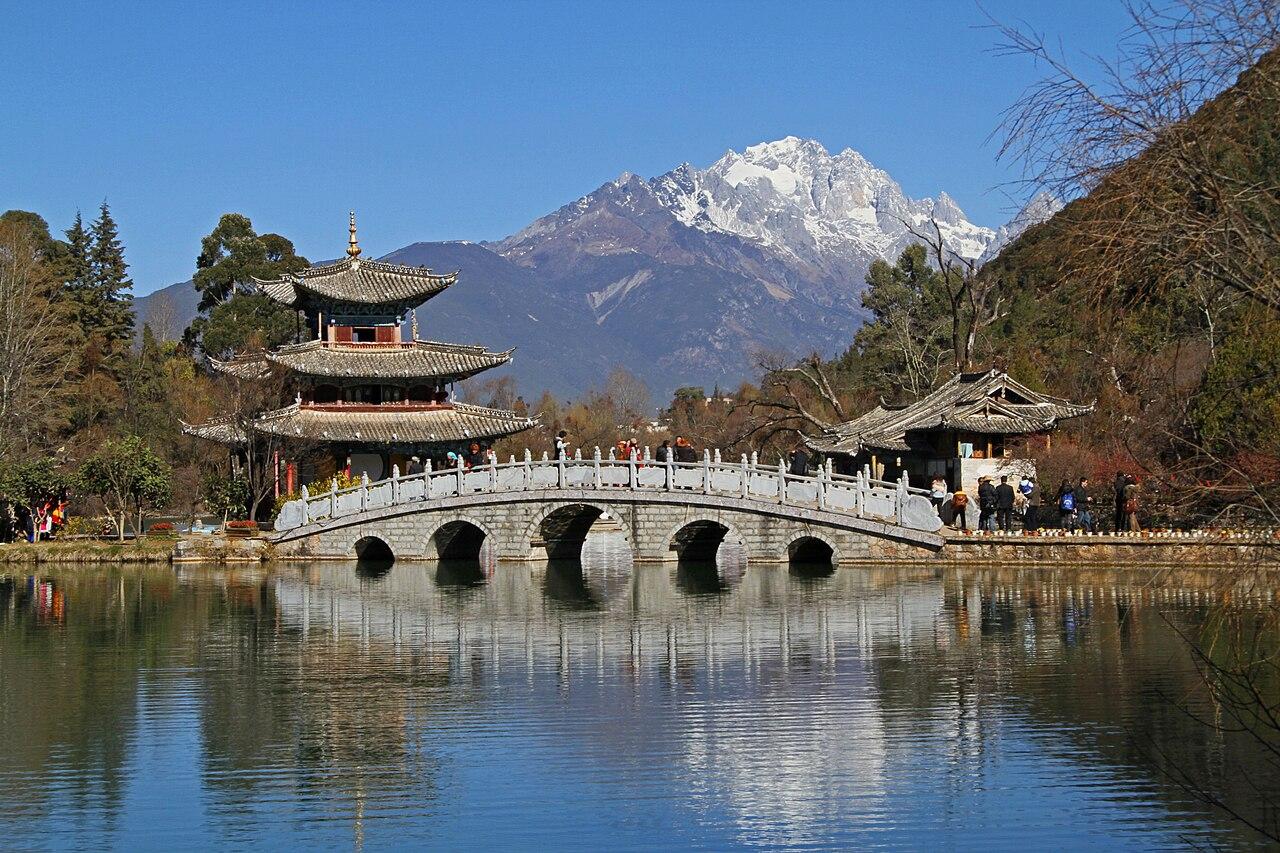
Lijiang (丽江, Lìjiāng) is what happens when a medieval trading town meets a 5,596m snow mountain at 2,400m of altitude — and the Naxi people have been holding that line for 1,400 years.
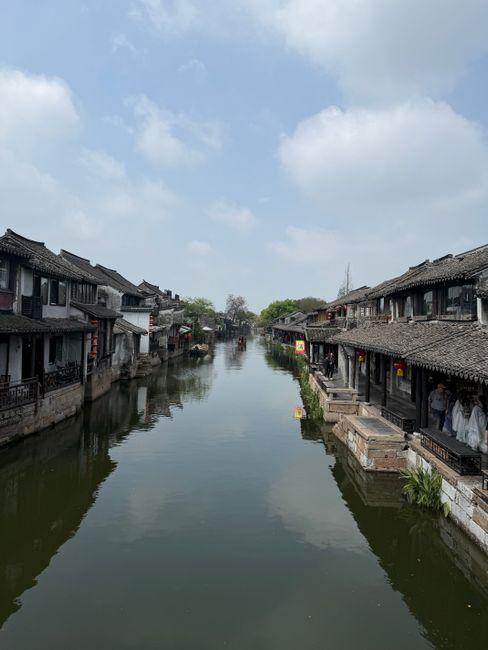
Shaoxing is where China's greatest modern writer grew up - a classic water town with stone bridges, canals, and the famous yellow wine.
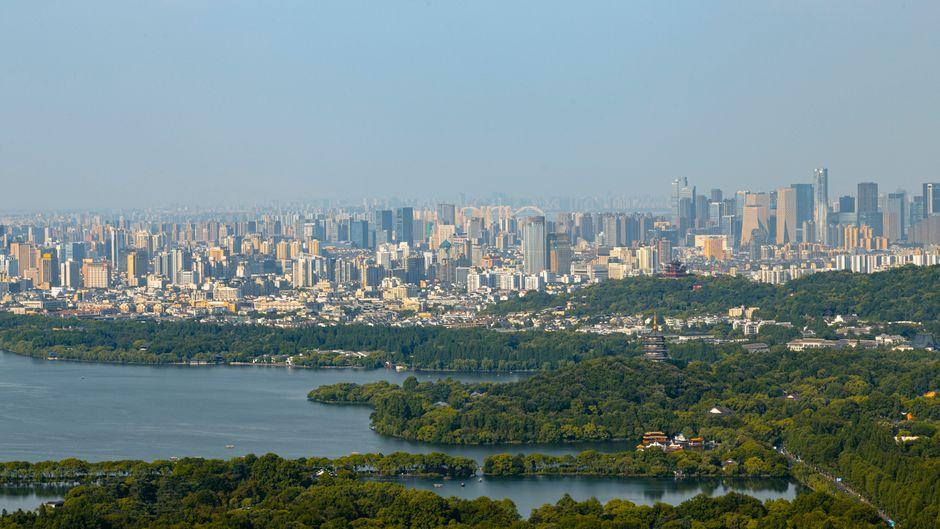
Hangzhou is one of China's most elegant cities — West Lake's misty shores, Longjing tea terraces, and Song Dynasty gardens make it a timeless escape from the modern world.
Advertisement
Advertisement